

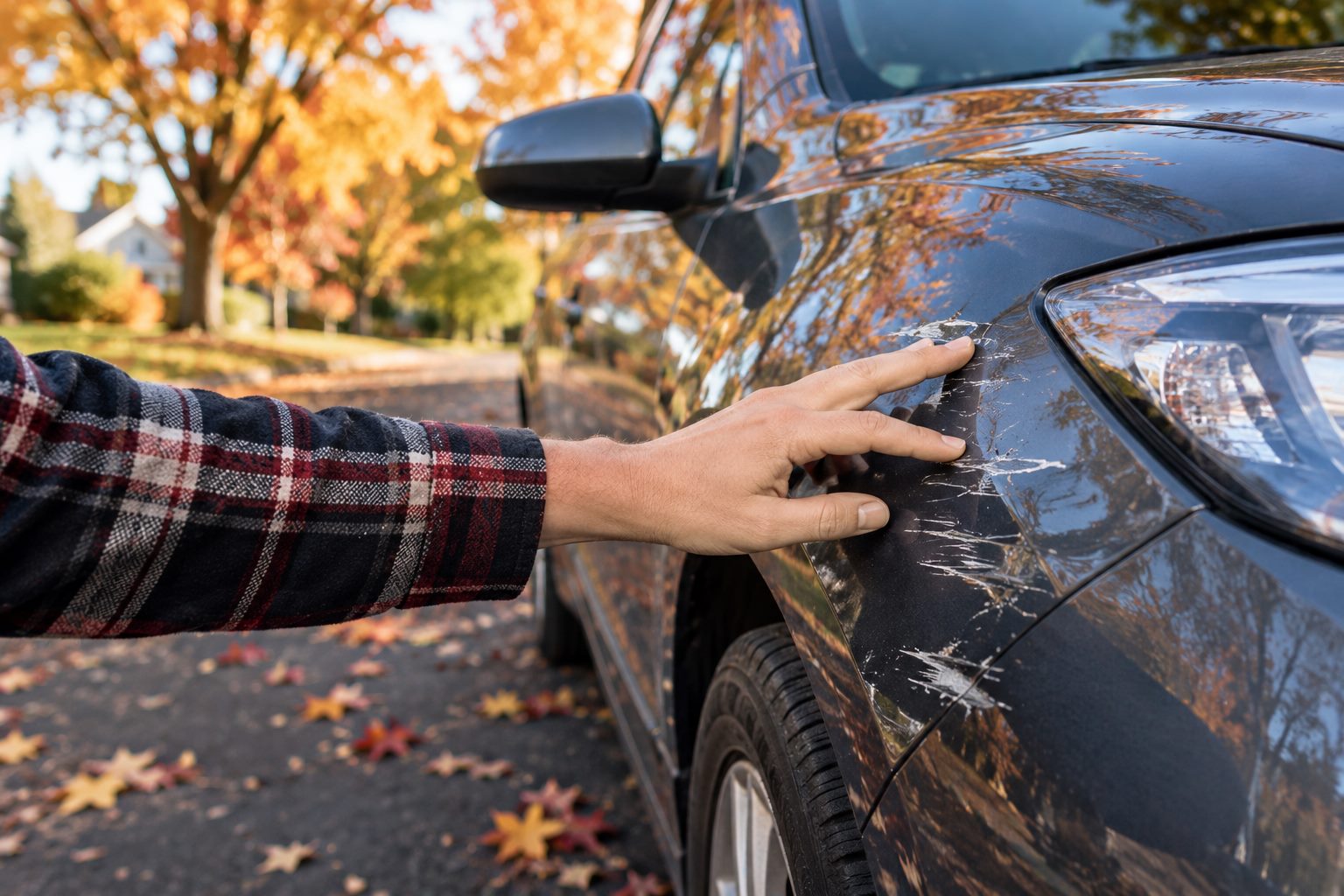
A small mark on your car can raise a surprisingly big question: can it wait, or should you have it repaired? October is a useful time to look closely at car paint damage, especially when summer road trips, parking lots, and everyday driving have left chips or scratches you have been putting off.
The answer depends on what is damaged, how deep the damage goes, and whether the panel has other problems. A mark that looks dramatic may be paint transferred from another object. A tiny chip may expose a deeper layer. Neither size nor appearance alone tells the full story.
For Nicholasville drivers, a fall inspection is a practical way to organize repairs before winter travel. Here is how to recognize the questions that matter, document the damage, and make a professional estimate more useful.
First, Separate Paint Damage From Collision Concerns
Before thinking about appearance, consider how the damage happened. A light scrape against a stationary object is different from a collision that affected a bumper, wheel area, door, or surrounding structure.
If the vehicle has new warning lights, fluid leaks, loose components, unusual handling, or a door that no longer closes normally, arrange a professional evaluation rather than treating the problem as cosmetic. Visible paint damage does not tell you whether underlying components are sound.
Write down the circumstances while they are fresh. Include the approximate date, location of contact, and any changes you have noticed since. This helps the shop understand what needs inspection.
Even if you only want the scratch repaired, mention an earlier impact to the same area. Previous repairs, existing dents, and damaged attachments can influence the work needed to produce a lasting result.
What Different Types of Car Paint Damage Can Look Like
Surface marks and paint transfer
A bumper or door may show a streak that appears to be a deep scratch but includes material deposited by another surface. That transfer can conceal the condition of the paint underneath.
Avoid aggressive scrubbing or trying several strong products in succession. An unsuitable cleaner or abrasive can create additional damage. Ask a repair professional whether safe cleaning or correction is appropriate before assuming the whole panel needs refinishing.
The useful distinction is between material sitting on the surface and damage within the finish. A photograph can help start the conversation, but inspection under suitable lighting provides a better basis for deciding.
Chips and scratches through the finish
Road debris can leave concentrated chips, while contact with branches, objects, or another vehicle can produce longer scratches. Different marks may reach different layers of the coating.
Do not rely on a fingernail test as a complete diagnosis. It may tell you that a groove is noticeable, but it cannot establish the right repair method or identify every exposed material.
A professional can assess whether localized work is suitable or whether preparation and refinishing should cover a larger area. The location also matters: damage on an edge or near an existing repair may need a different approach from an isolated mark.
Peeling, lifting, or cloudy areas
Peeling clear coat and widespread finish deterioration generally call for a different conversation from a single fresh chip. Adding wax or applying color over loose coating does not address the condition underneath.
Tell the shop whether the affected area has grown and whether you know of previous paintwork. Bring earlier photographs if available. This gives the estimator context without requiring you to identify the cause yourself.
Why October Is a Sensible Time to Make a Repair Plan
The reason to inspect now is planning, not an automatic rule that every scratch must be repaired before a particular date.
Fall calendars can become busy with school activities, holiday travel, and family commitments. Knowing the scope of a repair makes it easier to decide when you can leave the vehicle with the shop and what transportation arrangements you will need.
An early estimate also gives you time to ask questions. You can compare a cosmetic correction with a more complete repair, understand which work is recommended, and distinguish an immediate concern from something that can be scheduled later.
If damage exposes underlying material or appears to be spreading, ask about appropriate timing. Do not assume that a small defect is harmless because it has been present for several weeks.
How to Inspect Your Exterior Without Making the Damage Worse
Choose a well-lit location and inspect the vehicle while parked safely. You do not need to remove trim or dismantle anything.
If the vehicle can be washed safely, use a method suitable for its current finish and any recent repairs. Dirt can obscure marks, but harsh cleaning can complicate an already damaged area. Follow the vehicle and product instructions.
Look across the panel from more than one angle. Note scratches, dents, peeling edges, and changes in gloss. Check adjacent panels as well, since the visible mark may extend farther than you initially noticed.
Do not sand, scrape, or pick at loose paint to see what is underneath. Leave that assessment to the repair shop.
Take photographs that answer practical questions
Start with one image of the whole side or section of the vehicle. Then take a closer picture of the damaged panel and a detail image of the mark.
Include a nearby feature, such as a door handle or wheel opening, so the location is clear. Capture the damage in natural light without filters that change the color.
Photographs are useful for organizing an estimate request, but they do not replace inspection. Reflections can hide dents, and images rarely show coating condition or panel fit completely.
Repair Options Depend on More Than the Size of the Mark
A shop may discuss cleaning, finish correction, localized repair, or refinishing. Those options address different conditions and should not be treated as interchangeable.
For example, removing transferred material may improve a surface mark without requiring repainting. A scratch through multiple coating layers needs a different process. A dent with paint damage may involve both panel work and refinishing.
Vehicle paint repair also involves matching appearance. Color, metallic effects, panel orientation, and the condition of surrounding paint can influence the final result. Ask how the shop plans to manage the transition between repaired and existing areas.
Estes Pro-Paint provides auto body repair and vehicle painting in Nicholasville. Its website also describes an in-house paint-matching process. Discuss your particular vehicle and damaged area rather than assuming every repair requires the same treatment.
Questions to Ask During a Car Paint Damage Estimate
A useful estimate should help you understand both the visible concern and the proposed work.
Ask what the shop found, what preparation is included, and which panels are involved. Clarify whether the estimate accounts for dents, damaged trim, or other related work.
Then ask what might change after closer inspection or disassembly. An initial estimate can be based on what is visible, while additional findings may affect the repair plan.
Discuss the expected scheduling process, when the vehicle is needed, and how the shop communicates changes. Confirm any warranty terms in writing and ask what care instructions apply after refinishing.
If insurance may be involved, keep claim information available and clarify the steps with the shop and your insurer. Coverage and payment arrangements depend on the actual claim and policy.
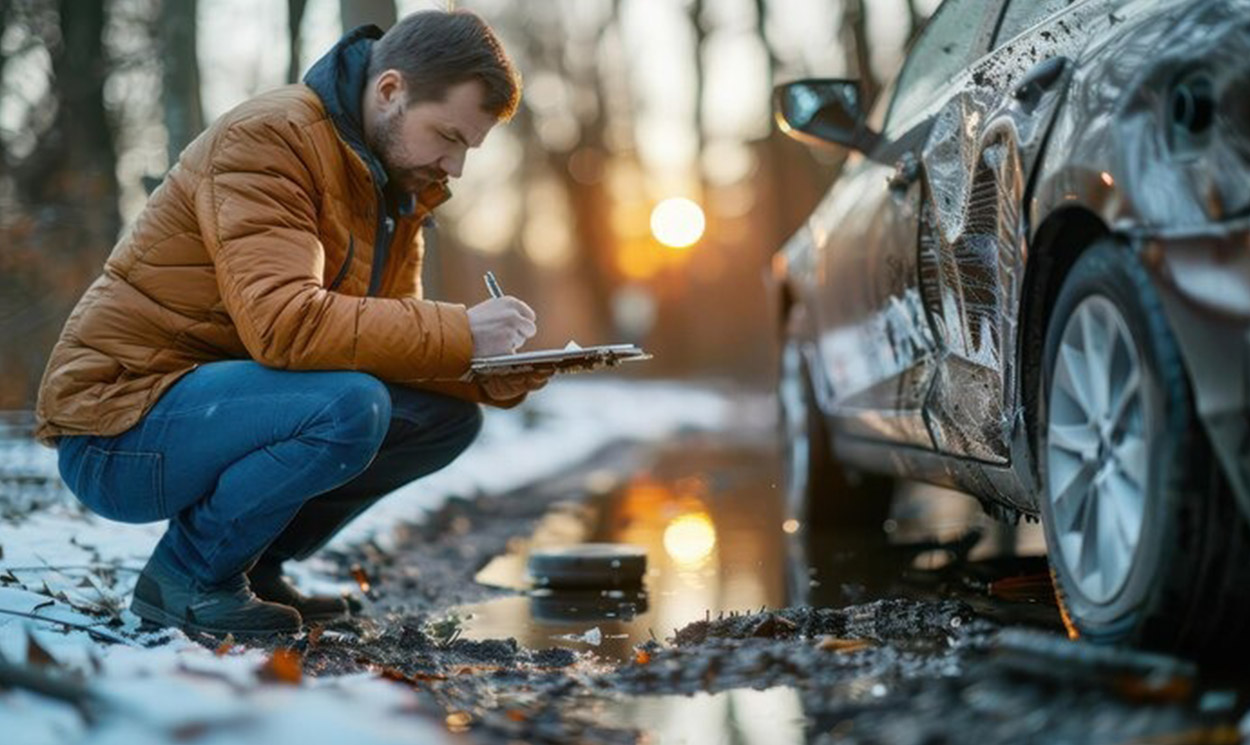
Common Mistakes That Make Small Problems Harder to Resolve
Applying touch-up paint without understanding the damage can hide details an estimator needs to see. It can also create an uneven result if the surface is not prepared correctly.
Another mistake is treating every finish problem with polishing. An abrasive process that may help one type of defect can be unsuitable for another.
Waiting for several unrelated marks to accumulate can make documentation less clear, particularly if you no longer remember when each occurred. Take pictures when you notice new damage, even if you are not ready to schedule repairs.
Finally, avoid choosing a repair solely from a quoted price without comparing scope. Two estimates may include different preparation, panels, materials, or related repairs. Ask for explanations so you can assess what you are actually buying.
A Practical October Checklist for Nicholasville Drivers
Set aside a few minutes to identify the areas you want assessed. Photograph them, write down the history, and collect relevant repair or claim information.
Decide what matters most: addressing a specific defect, restoring appearance across a panel, or evaluating damage after an impact. Clear priorities help the estimator explain suitable options.
Look ahead at your travel calendar and identify possible windows for the vehicle to be at the shop. Do not assume an estimate guarantees completion before a holiday. Ask about current availability and the factors that affect scheduling.
This turns car paint damage from an uncertain worry into a manageable repair decision.
Frequently Asked Questions
Should I fix paint chips before winter?
Have chips assessed if they appear to expose underlying material, worsen, or accompany other damage. October is a useful time to get an estimate and discuss timing, but there is no single deadline for every vehicle. The depth, location, and condition of the damaged area determine the appropriate repair plan.
Can a scratch be repaired without repainting the whole car?
Sometimes a surface defect can be addressed without extensive refinishing, while deeper damage may require panel preparation and paintwork. Repainting the entire vehicle is not the automatic solution to one scratch. An auto body inspection establishes which method is suitable and whether surrounding areas need attention for appearance.
How do I know whether a mark is paint transfer?
Transferred material may sit on top of the finish, but appearance alone is not enough to confirm that the paint underneath is undamaged. Avoid strong chemicals or aggressive rubbing. A professional can evaluate the surface and explain whether safe cleaning, finish correction, or a more involved repair is appropriate.
What should I bring to an auto body estimate?
Bring photographs, the approximate date and cause of damage, information about previous repairs, and any relevant insurance claim details. Explain changes in panel fit, warning lights, or how the vehicle drives. These details help the shop assess the whole concern rather than focusing only on the most visible scratch.
Where can I discuss car paint damage in Nicholasville?
Estes Pro-Paint offers auto body and vehicle painting services at 1004 Park Central Avenue in Nicholasville. Review the company’s service page and contact the shop to arrange an estimate. Ask about the proposed repair, scheduling, and care instructions so your next step fits the condition of your vehicle.
Get a Clear Plan for Your Vehicle’s Finish
If your October inspection reveals car paint damage, contact Estes Pro-Paint at 859-413-3593 to discuss an estimate. Bring your photographs and questions so the team can explain suitable repair options for your vehicle.
