
Finding the right automotive body repair shop after an accident can make the difference between a stressful experience and a smooth recovery. Whether your car suffered a fender bender, hail damage, or major collision, the repair process involves more than paint and dent removal. You need a shop that understands structure, safety, electronics, and insurance communication.
Let’s dive into how these shops work, what to look for when selecting one, and how to make sure your vehicle leaves the shop restored to factory standards—safe, strong, and looking brand new.
What Happens Inside an Automotive Body Repair Shop
Step 1 – Inspection and Blueprinting
A professional body shop begins with an in-depth inspection. They assess visible and hidden damage using digital measuring systems. Once disassembled, they perform a blueprint, documenting parts to be replaced, repair procedures, and the time required. This step prevents surprises mid-repair and ensures accurate insurance approval.
Step 2 – Structural and Frame Repairs
Modern cars use advanced materials—high-strength steel, aluminum, and composites. Shops use frame benches and computerized measuring systems to restore the frame or unibody to millimeter precision. This alignment is critical for safety, ensuring crumple zones and airbag sensors respond correctly in future impacts.
Step 3 – Bodywork and Panel Replacement
Damaged panels are repaired or replaced, welded, or bonded based on manufacturer recommendations. Skilled technicians align doors, hoods, and fenders to maintain proper panel gaps and fitment.
Step 4 – Paint Preparation and Refinishing
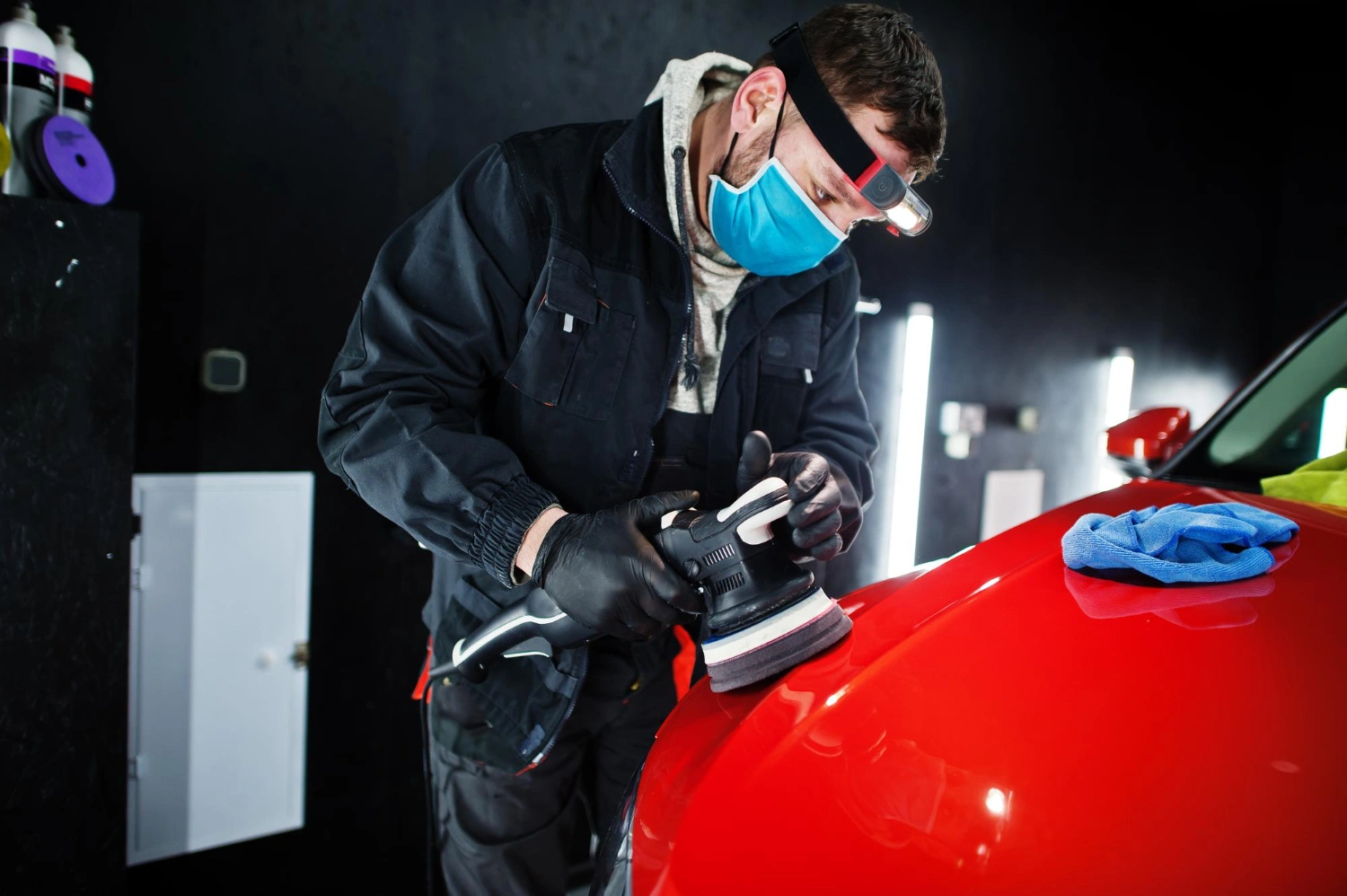
Shops prep the surface by sanding, priming, and sealing it before color application. A computerized color matching system ensures the new paint blends perfectly with existing panels. Finishes are cured in downdraft spray booths to achieve a factory-level shine.
Step 5 – Reassembly and Quality Check
After painting, technicians reinstall trim, lighting, sensors, and glass. A final inspection confirms panel alignment, paint match, and safety system integrity. The car is detailed, test-driven, and ready for delivery.
Why Certification and Equipment Matter
I-CAR and OEM Certifications
Certified shops follow strict repair procedures approved by automakers. I-CAR Gold Class or OEM certifications (like Ford, GM, Honda, or Tesla) ensure technicians are trained in the latest materials and safety systems.
Specialized Tools and Technology
Look for shops equipped with:
- Frame alignment systems for structural accuracy
- Squeeze-type resistance welders for factory-quality joints
- Downdraft spray booths for dust-free refinishing
- ADAS calibration systems for advanced driver-assist sensors
These investments separate professional facilities from budget operations.
Understanding Parts Options
OEM Parts (Original Equipment Manufacturer)
OEM parts guarantee perfect fit and structural integrity. They meet factory crash standards and maintain your vehicle’s warranty.
Aftermarket Parts
Aftermarket options can save money but vary in quality. Ask if parts are CAPA-certified (Certified Automotive Parts Association) to ensure reliability.
Recycled or LKQ Parts
These are genuine OEM parts salvaged from other vehicles. They work well for older models if inspected and refinished properly.
Pro Tip: Ask About Corrosion Protection
When panels are replaced, the shop must restore e-coat, seam sealers, and cavity wax to prevent rust.
Insurance Claims and Your Rights
Choose Your Own Shop
Insurance companies may recommend “preferred” repair facilities, but you have the legal right to select any licensed shop.
One Estimate is Enough
You are not required to collect multiple estimates. A thorough teardown estimate from a reputable shop provides all the detail insurers need.
Supplements Are Normal
Once panels are removed, hidden damage often appears. Shops communicate with your insurance adjuster to get supplements approved so repairs continue without delay.
Communication is Key
A quality shop keeps you updated through text or email at every stage—from estimate to completion—so you always know the status of your vehicle.
Evaluating Quality — What to Look for After Repairs
Paint and Finish
The new paint should seamlessly match the rest of the car under sunlight and indoor lighting. No overspray, streaks, or uneven gloss should appear.
Fit and Alignment
Doors and panels should open smoothly and align evenly. Uneven gaps or sticking doors suggest poor workmanship.
Interior and Electronics
No warning lights should appear on your dash. Airbags, parking sensors, cameras, and ADAS features must operate correctly.
Test Drive
A short road test should confirm steering alignment, ride quality, and no abnormal noises.
The Importance of ADAS Scans and Calibrations
Modern vehicles include Advanced Driver Assistance Systems (ADAS)—radar, lidar, cameras, and sensors that require precise calibration after repair. Without recalibration, even small deviations can compromise safety.
Shops should perform:
- Pre-repair scans (to identify system faults)
- Post-repair scans (to verify proper restoration)
- Static or dynamic calibrations (depending on the system)
Always ask for documentation showing these scans were completed successfully.
Common Misconceptions About Auto Body Repair
“It’s Just Cosmetic.”
Many “minor” collisions affect structural or suspension components that aren’t visible. Neglecting alignment checks can cause tire wear or compromised crash safety.
“All Shops Are the Same.”
Differences in equipment, technician training, and process discipline lead to major quality variations. Choose a shop that follows OEM documentation, not just “industry best practices.”
“Insurance Decides Everything.”
While insurance covers costs, you control where and how repairs are performed. A quality shop works with all insurers but advocates for your car’s proper restoration—not shortcuts.
Cost, Timing, and Value
Repair Cost Factors
- Damage Severity: Structural vs. cosmetic repairs
- Parts Type: OEM, aftermarket, or recycled
- Labor Hours: Complexity and required scans
- Paint Work: Blending and panel count
Typical Timeline
Minor repairs may take 2–5 days, while major collisions can extend 2–3 weeks depending on parts availability. Clear communication prevents surprises.
Value Over Price
The lowest quote isn’t always the best choice. Focus on safety, paint warranty, and verified procedures. Cutting corners may lead to peeling paint, rust, or poor crash performance later.
Signs of a Trustworthy Automotive Body Repair Shop
- Clean, organized facility with modern equipment.
- Written estimates with detailed line items.
- Manufacturer-approved materials and procedures.
- Regular updates via phone, text, or email.
- Warranty on both workmanship and paint finish.
- Positive reviews and visible before-and-after examples.
- Insurance handling expertise to minimize paperwork stress.
Mistakes to Avoid
- Choosing based on price alone.
- Skipping pre- and post-repair scans.
- Ignoring panel alignment after pickup.
- Forgetting to request a warranty.
- Using a shop that won’t share OEM documentation.
Each of these errors can shorten the life of your repair or compromise your car’s resale and safety.
FAQs — Automotive Body Repair Shops
Q: How long will my repairs take?
A: It depends on parts availability and damage severity. Most minor repairs finish in under a week; major collisions may take two or more.
Q: Will my insurance cover OEM parts?
A: It varies. Some policies specify aftermarket or recycled parts. Ask your insurer and shop to clarify options.
Q: Can repaired cars be as safe as new?
A: Yes, when the repair follows manufacturer procedures and structural tolerances. Frame measurements and ADAS calibrations ensure safety is restored.
Q: What if I’m unhappy with the repair?
A: Speak with the shop manager immediately. Reputable shops honor workmanship warranties and fix issues promptly.
How to Keep Your Car Looking Great After Repair
- Wait 30 days before waxing to allow full paint cure.
- Hand wash using pH-neutral soap and microfiber towels.
- Park in shade or covered areas when possible.
- Touch up small chips early to prevent rust.
- Schedule an annual detailing to maintain gloss and protection.
Call to Action:
If you’ve recently been in an accident or noticed damage to your vehicle, don’t leave safety to chance. Trust experienced professionals who use OEM standards and advanced technology to bring your car back to factory condition. Contact Estes Pro-Paint Autobody & Collision today for a free estimate and see why Central Kentucky drivers choose us for precision, performance, and peace of mind.
