

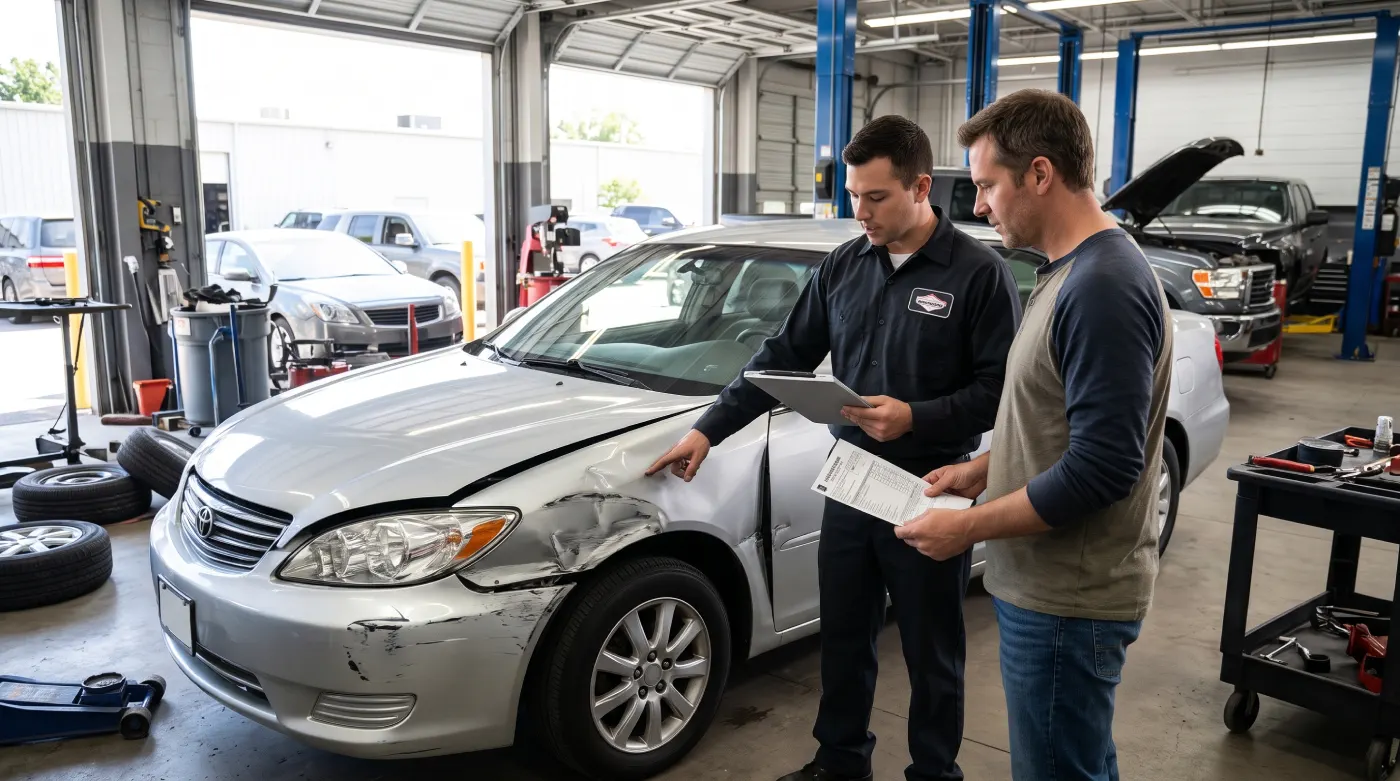
A collision repair estimate explains the repairs currently identified, the parts and operations included, and the anticipated charges. It is most useful when you understand what the estimator inspected and what still needs investigation. The total matters, but it cannot tell you whether two estimates describe the same work.
For drivers in Nicholasville and the surrounding Central Kentucky area, a careful review can make the next steps less confusing. You may be comparing a photograph-based assessment, an insurer’s document, and a body shop’s proposed repair plan. Those documents can have different purposes and different levels of detail. Start by asking what each one represents before treating a difference in price as proof that somebody has made a mistake.
Find Out What the Estimate Is Based On
Ask whether the vehicle was inspected in person, assessed from photographs, or examined after selected components were removed. Each approach provides a different view. Exterior photographs can help identify visible damage, but they do not expose every connection or component behind a damaged panel.
Record the date of the assessment and the vehicle information used. The correct model, model year, and relevant equipment help define the repair discussion. Mention modifications and existing damage rather than assuming the estimator already knows about them. If there are concerns about driving the vehicle, ask for transport guidance before moving it; the appearance of a small dent does not establish that the vehicle is safe to drive.
Read the Scope Before Comparing Totals
Start with the condition the estimate is intended to address. Which damaged areas are included? Are unrelated marks shown separately? Does the document describe a preliminary assessment or a repair plan developed after further inspection? A clear scope gives the numbers meaning.
The Federal Trade Commission’s Auto Repair Basics guide recommends a written estimate identifying the condition to be repaired, needed parts, and anticipated labor. Use that as a starting point for your questions. An unexplained total is harder to evaluate than an itemized document with clear assumptions. Request clarification in ordinary language when estimating abbreviations make the proposed work difficult to follow.
Distinguish Repair From Replacement
An estimate may propose repairing a component, replacing it, or removing it temporarily to complete another operation. Those are different actions. Ask the estimator to explain why the selected approach fits the damage and the applicable vehicle repair information.
Do not assume that keeping an existing panel is always preferable or that replacement automatically produces a better result. Material, damage location, repairability, access, and vehicle-specific procedures can influence the decision. You do not need to diagnose the vehicle yourself, but you should understand which decision is being proposed. If two shops choose different approaches, compare their explanations and supporting repair requirements rather than choosing only by the shorter description or lower price.
Ask How the Parts Are Described
Review the part description alongside its price. Ask what type of replacement part is proposed, whether the exact item has been identified, and what assumptions have been made about availability. A part category is important information, but it does not answer every question about suitability or the full repair process.
Also ask how related attachments and materials are handled. The estimate should make the proposed scope understandable without requiring you to guess what is included in a main component entry. If a part choice changes later, request the updated description and any effect on the price or expected sequence. Keep the explanation attached to the revised estimate so that the final record remains easy to follow.
Understand Why Hidden Damage Can Change the Plan
Some collision damage becomes visible only after closer examination or appropriate disassembly. An initial estimate therefore may not describe every operation ultimately needed. This is a limitation to clarify at the beginning, rather than a reason to ignore the written estimate.
I-CAR’s explanation of indirect collision damage discusses why inspection can extend beyond the obvious impact area. That technical context helps explain why an exterior assessment may be incomplete. It does not mean every vehicle has extensive hidden damage. Ask what additional inspection is planned, what it may reveal, and who will contact you before newly identified work proceeds.
Know What a Collision Repair Supplement Means
A collision repair supplement records changes to an earlier damage estimate or repair document. Ask what prompted the revision and which line items changed. The useful distinction is between the original assumptions and the information available now.
I-CAR’s damage-report training material describes supplements associated with matters such as hidden damage and changes to the original report. If you receive one, request a clear explanation of the added, removed, or revised operations. Confirm the approval process with both the shop and, where relevant, the insurer. A revised document should make the change easier to understand, including its effect on your anticipated responsibility and the work schedule.
Compare Labor and Refinishing With the Scope in View
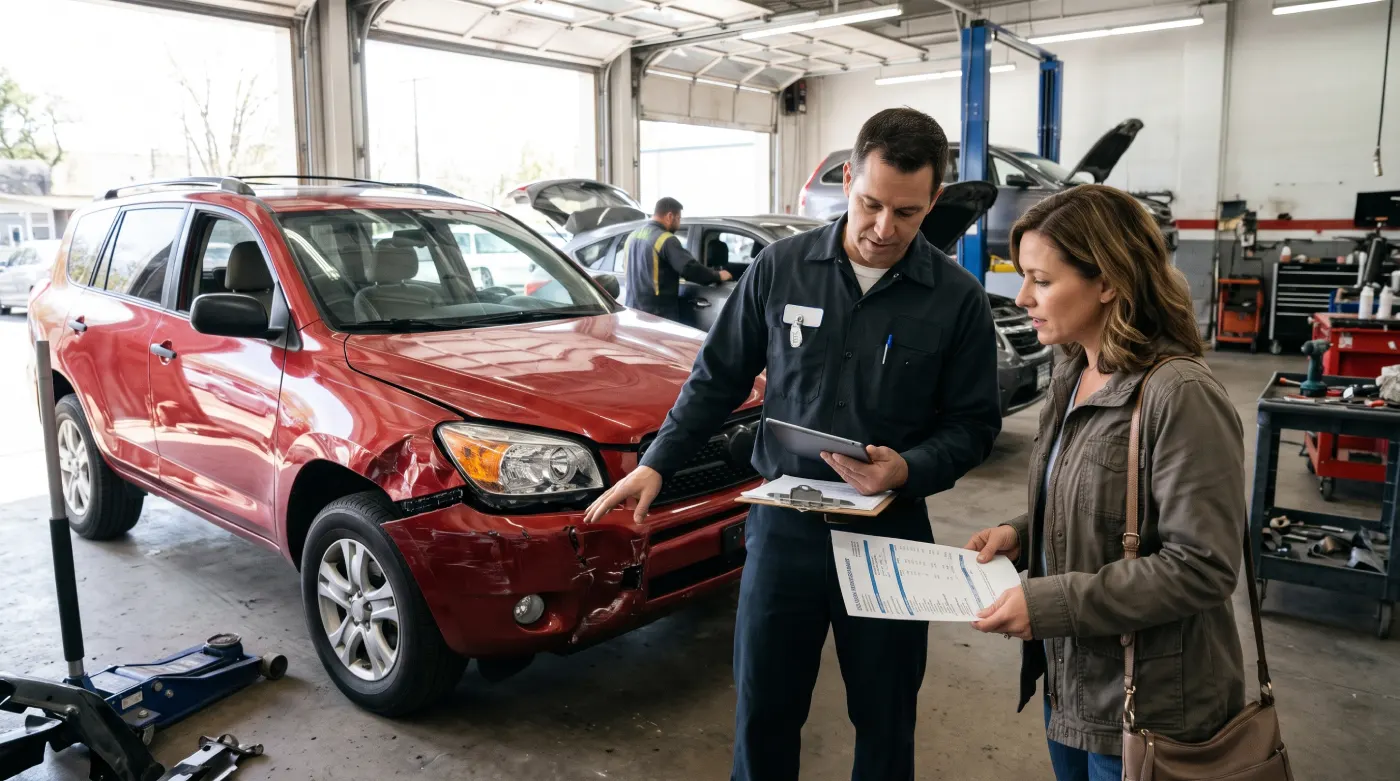
A rate is only one part of a labor charge. The operations, time allowances, and work categories also affect the estimate. Two documents can use similar rates and still include different work, or show different rates while describing different categories altogether.
Ask how body work, painting, and related operations are presented. For refinishing, clarify which surfaces are included and whether any work on adjacent areas is proposed. Avoid demanding an operation simply because it appears on somebody else’s estimate; ask why it is relevant to your vehicle. The aim is a complete explanation of the proposed repair, including any items whose need will be confirmed later through inspection and current repair information.
Separate an Estimate From Permission to Begin
Before leaving the vehicle, find out what you are authorizing. Permission to inspect or disassemble may differ from approval of the full repair. Ask how you will be contacted if the cost or scope changes, and retain a copy of the document you sign.
Discuss any inspection, disassembly, reassembly, or storage charges that could apply if the repair does not proceed. Do not assume these services are free simply because the initial estimate is offered without charge. The actual agreement should identify the relevant terms. Written approval boundaries also help a household coordinate decisions when one person drops off the vehicle and another manages the repair conversation.
Keep Insurance Questions Distinct From Repair Questions
A repair estimate describes proposed work. Coverage, payment, deductibles, and other policy decisions involve separate questions that should be confirmed with the insurer. A shop’s willingness to communicate with an insurance company does not establish which charges a policy will cover.
Estes Pro-Paint’s auto body and collision repair information describes estimate availability and assistance with insurance paperwork. Ask how that coordination would work for your repair and what information you still need to provide. Keep copies of the relevant documents and identify which party is responsible for each unanswered question. This helps prevent an insurer’s review milestone from being mistaken for your approval of a new scope.
Ask What the Schedule Assumes
An estimate can be prepared before all parts, approvals, and technical decisions are resolved. Ask which milestones must occur before the shop can give a meaningful completion expectation. The appointment date, the start of repair work, and the anticipated handover date may be different.
For example, a hypothetical repair could move from an initial assessment to disassembly, revised approval, parts confirmation, repair operations, refinishing, and final checks. That sequence is an illustration, not Estes Pro-Paint’s promised schedule for every vehicle. Ask when the next update will arrive and what information it will include. Arrange transport around confirmed information while allowing for the possibility that inspection changes the plan.
Use a Like-for-Like Comparison
If you obtain more than one auto body repair estimate, place the documents side by side and compare the scope categories first. Note the inspection basis, proposed repair or replacement choices, parts descriptions, and unresolved items. Then compare the prices attached to those decisions.
A useful question is: “What does your estimate include that I should look for in the other document?” That invites a practical explanation without asking the shop to diagnose another business’s intentions. Estes Pro-Paint’s company information describes its locally owned operation and refinishing approach. Use a consultation to ask how those capabilities relate to the proposed work on your particular vehicle, rather than assuming every estimate involves every advertised service.
Prepare for the Final Repair Record
Before work begins, ask which documents you will receive at pickup. Keep the initial estimate, any approved revisions, and the completed repair record together. This makes it easier to understand what was actually done and to raise a specific question if something needs clarification later.
Discuss written warranty terms and any product-specific care instructions. A broad warranty statement on a website should lead to questions about the coverage applicable to your repair. At handover, review the completed scope and outstanding questions with the shop. If an instruction affects washing, use, or follow-up, request it in a form you can keep with the repair paperwork instead of relying on memory after a busy collection appointment.
Make the Estimate a Clear Starting Point
A useful collision repair estimate gives you a basis for decisions: what is known, what is proposed, and how changes will be handled. You should be able to explain the main scope without translating every abbreviation or guessing which approvals remain outstanding.
Bring the same information to each discussion, including vehicle details, damage photographs, the original assessment, and any insurer correspondence relevant to the repair. Ask for the next decision and the person responsible for it. That practical record is more valuable than trying to predict a final repair price from a photograph or treating the cheapest initial total as a complete comparison.
Frequently Asked Questions
What should a collision repair estimate include?
A written collision repair estimate should identify the damage being addressed, proposed parts and operations, and anticipated charges. Ask what inspection it is based on and what remains unconfirmed. Also clarify approval boundaries, potential additional charges, and how the shop will communicate a change before you authorize the relevant work.
Why can an auto body repair estimate change?
An estimate may change when further inspection reveals hidden damage, a proposed part changes, or another assumption needs correction. Request a revised document showing the reason and affected items. Ask how the change influences cost, approvals, and the expected sequence rather than assuming the original number describes every possible repair need.
Is a photo estimate the same as a complete repair plan?
A photo estimate can document visible damage, but photographs do not reveal every condition behind a panel or inside an assembly. Ask what additional inspection is needed for your vehicle. A repair plan may become more detailed as the shop examines the damage and checks the procedures relevant to the proposed work.
Should I choose the lowest collision repair estimate?
Compare what each estimate includes before comparing the total. Different inspection stages, parts, and proposed operations can produce different prices. Ask each shop to explain its scope and unresolved items. A lower initial figure alone does not establish that two businesses are proposing equivalent repairs for the same vehicle damage.
Does Estes Pro-Paint offer free estimates in Nicholasville?
Estes Pro-Paint advertises free estimates for its auto body and collision services in Nicholasville, Kentucky. Contact the shop to confirm appointment arrangements and what the initial assessment includes. Ask separately about any later inspection, disassembly, storage, or other charges that could apply under the agreement for your particular vehicle.
Bring Your Estimate Questions to Estes Pro-Paint
For help understanding the proposed repair on your vehicle, contact Estes Pro-Paint in Nicholasville to request a free estimate. Bring your vehicle information, existing assessment, and questions so the team can explain the scope and the next step.
